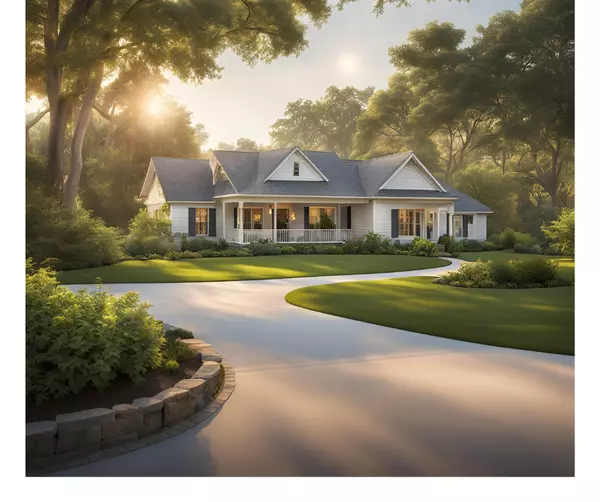
How to Buy Land & Begin Your Off-Grid Journey
1. Define Your Off-Grid Vision
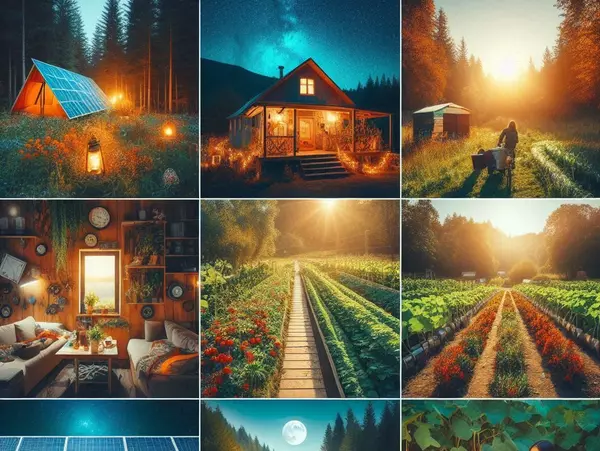
Begin by clarifying what “off-grid living” means to you. Are you building a tiny cabin, raising animals, or creating a permaculture homestead? Your goals will guide your property needs. Consider:
-
Acreage required (1–5 ac for tiny homes, 5–20+ ac for livestock/garden)
-
Energy needs (solar, wind, generator)
-
Water sources (well, spring, rain catchment)
-
Access requirements (road quality, proximity to supplies)
2. Set a Realistic Budget
Total costs include:
-
Land purchase
-
Infrastructure: well, septic, solar/wind systems, road access
-
Ongoing costs: maintenance, property taxes, insurance
Aim to be debt-free before starting; a $20/week savings can build a strong starter fund .
3. Research Ideal Locations
Use online platforms (LandWatch, Land and Farm), local real estate agents, government land sales, and auctions
Make a shortlist of 2–3 regions and investigate:
-
Zoning and legal restrictions (covenants, building codes, RV permits)
-
Water rights and soil quality
-
Road access: public vs private easement
-
Availability of utilities or satellite internet (Starlink, fiber)
4. Property Evaluation Checklist
When inspecting land, have a clear checklist:
-
Zoning, CCRs, floodplain, and overlays
-
Water source: existing well, spring, or rainwater potential
-
Soil quality for gardening
-
Sunlight exposure for solar and space for panels
-
Road access conditions year-round
-
Nearby services: grocery, hardware, hospital—ideally within 30 mins
5. Legal Due Diligence
Always consult local planners or a real estate attorney:
-
Verify title, liens, easements
-
Confirm permitted land uses (e.g., livestock, RVs, tiny homes)
-
In some regions, off-grid living is encouraged; others may restrict structures, septic, or animal husbandry
6. Secure Financing
Options include:
-
Cash purchase
-
Land loans via credit unions or specialized lenders
-
Owner-financing (if seller offers)
Recreational or cabin loans may be available for improved properties.
7. Make an Informed Offer & Close
Work with an agent to:
-
Negotiate based on comparable properties
-
Include contingencies for inspections, zoning verification, and water testing
-
Hire a title company to ensure clean ownership
8. Develop Your Off-Grid Homestead
Once the land is yours, plan your build:
-
Install infrastructure: well, septic, road access
-
Set up power: solar panels, battery storage, wind turbines, or backup generator
-
Build a home: tiny house, cabin, or yurt
-
Start a garden, add livestock/coops
-
Equip tools for maintenance and repairs
Why You Need Local Guidance
This guide is for information only—not legal or zoning advice. Regulations vary widely by region. Always check:
-
County/city ordinances
-
HOA/POA covenants
-
Building codes, waste management, and water use rules
Consult local officials or a real estate professional before proceeding.
Ready to Begin?
I can help you find the perfect plot for your off-grid dream. Whether you’re looking for rural acreage, tiny-home zoned land, or a sustainable homestead, I’ll guide you every step of the way—from land search to closing and setup coordination. To get started here's a link to vacant land in NW Louisiana.
📞 Call/Text: 318-453-0021
📧 Email: ShawnOusley@epique.me
🌐 Visit: iaShawnOusley.com
Categories
Recent Posts




GET MORE INFORMATION